
Signal Hill Ownership Costs · Hail & Insurance Guide
Hail Insurance in Signal Hill: The Ownership Cost Nobody Talks About
Southwest Calgary sits in Alberta’s most active hail corridor. Here is what that means for your budget before you commit close to $1M.
If you’re buying a home in Signal Hill — or you already own one — hail damage insurance is a real line item in your annual cost of ownership. Not a hypothetical one. Southwest Calgary sits in Alberta’s most active hail corridor, and the May-to-September storm season brings meaningful risk every year to the detached homes, garage roofs, and vehicles on streets like Signal Hill Drive and Sienna Hills Drive.
Nobody on the agent sites will tell you this, because acknowledging an ongoing cost doesn’t help sell a home. We’re going to tell you anyway, because you need the actual picture before you commit close to $1M — and because understanding this one issue can genuinely affect what you pay for insurance year over year.
Why Calgary’s Hail Risk Is Real (Not Just Agent Small Talk)
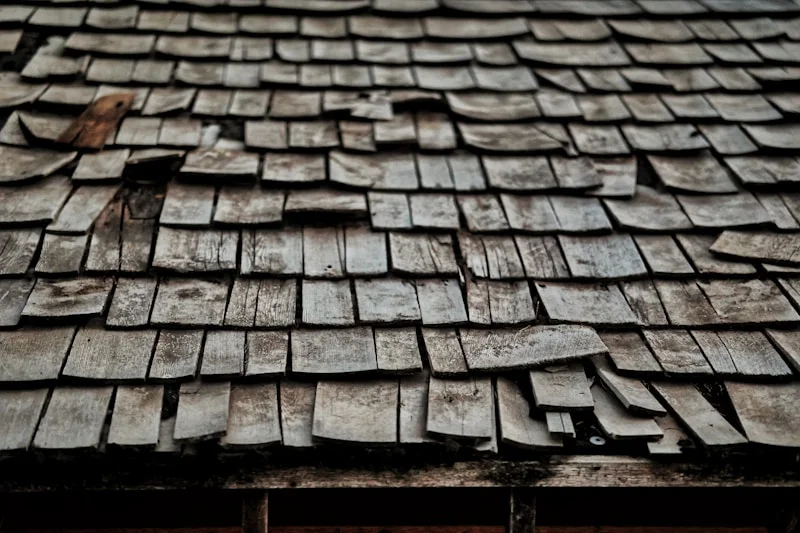
The Insurance Bureau of Canada tracks catastrophic loss events across Canada, and by that measure, Calgary has earned its reputation. The 2020 Calgary hailstorm — a single storm event — caused over $1.3 billion in insured losses, making it the most costly hail event in Alberta’s recorded history. That’s not a distant anomaly. Calgary regularly features in Canada’s top annual catastrophic loss tallies, and the southwest quadrant of the city — the corridor that includes Signal Hill, Springbank Hill, and the communities stretching toward the ring road — sees meaningful storm exposure because of how weather systems track northeast off the Rockies.
The storm season runs roughly May through September, with peak activity in July and August. Hailstones can range from pea-sized (cosmetic damage to vehicles, garden plants) to golf ball-sized (structural roof damage, broken skylights, damaged siding). For a detached home in Signal Hill priced around the $988K average, a significant hail event can mean a roofing claim in the $15,000–$40,000 range depending on the roof size, the shingle type, and whether the storm also hits the siding and windows.
The practical implication: hail insurance coverage isn’t optional in this market. The question is what kind of coverage you have, whether it’s adequate, and whether your current roof is working for you or against you when renewal time comes.
The Policy Detail That Catches Calgary Buyers Off Guard
The Policy Detail That Catches Calgary Buyers Off Guard
This is the one that matters most, and it’s almost never explained clearly.
When your home insurance covers hail damage, it covers either replacement cost or actual cash value — and the difference is enormous for roofing claims.
Replacement cost means the insurer pays to replace your roof with a new one of comparable quality. Actual cash value means they pay what your roof is currently worth, accounting for depreciation. On a 15-year-old asphalt roof, that depreciated value might cover 40–50% of a new roof. You cover the rest out of pocket.
Most homeowners buying resale properties in Signal Hill inherit whatever coverage the previous owner set up — and in many cases, that coverage was last reviewed years ago. If you’re purchasing, ask your insurance broker directly whether the home insurance policy you’re establishing uses replacement cost or actual cash value for roofing. If the answer is actual cash value, push for replacement cost coverage. The premium difference is real but almost always worthwhile, particularly on homes over $800K with large roof footprints.
Buyers coming from Ontario — especially those who’ve owned condos where the condo corporation handles the building envelope — sometimes don’t realize this is a decision they’re actively making. In Alberta’s insurance market, you have direct writers (insurers who sell directly to consumers) and brokers (who shop multiple insurers on your behalf). If you’re coming from Ontario where you used a specific insurer, that company may not operate in Alberta or may not offer the same products here. Getting a broker who works with Alberta-specific carriers is worth the extra step.
Class 4 Impact-Resistant Shingles
The One Upgrade Worth Understanding
Here’s a practical tool most Signal Hill homeowners haven’t heard of: Class 4 impact-resistant (IR) shingles, rated by the Insurance Bureau of Canada’s test standard, are specifically designed to resist hail damage. Manufacturers subject them to a two-inch steel ball drop test — the roofing equivalent of a golf ball-sized hailstone — and Class 4 is the highest rating.
Most Alberta insurers offer a premium discount of 10–30% for homes with Class 4 roofing installed. On a Signal Hill detached home, where annual premiums can run meaningfully higher than the provincial average given property values, that discount can translate to real savings each year. The catch: Class 4 shingles cost more than standard 3-tab or architectural shingles — typically 10–20% more for the shingles themselves, though installation costs are comparable.
The math depends on your specific roof size, your current premium, and which insurer you’re with. But for any Signal Hill homeowner facing a roof replacement in the next few years — whether due to age, damage, or renovation — it’s worth specifically asking your roofing contractor to quote Class 4 IR shingles alongside the standard option, and then checking with your insurer what discount you’d qualify for. In many cases, the insurance savings partially offset the premium cost of the upgrade over a 10-year horizon.
If you’re buying a resale home and the current roof is Class 4 IR, ask for documentation. A reputable roofing contractor will have a permit on file or can identify the shingle brand and rating. Confirming this before closing is worth doing — it affects your insurance cost from day one.
Class 4 IR Shingles — Key Facts
- Highest impact-resistance rating under IBC standards
- Tested to withstand a two-inch steel ball drop (golf ball equivalent)
- 10–30% premium discount offered by most Alberta insurers
- Shingle cost approximately 10–20% more than standard architectural shingles
- Installation cost comparable to standard shingles
- Savings can partially offset upgrade cost over a 10-year horizon
- Confirm documentation before closing on any resale home claiming Class 4 installation
Source: Insurance Bureau of Canada; individual insurer discount rates vary. Verify discount availability with your specific carrier before making roofing decisions.
Before You Sign
What to Do at the Point of Purchase
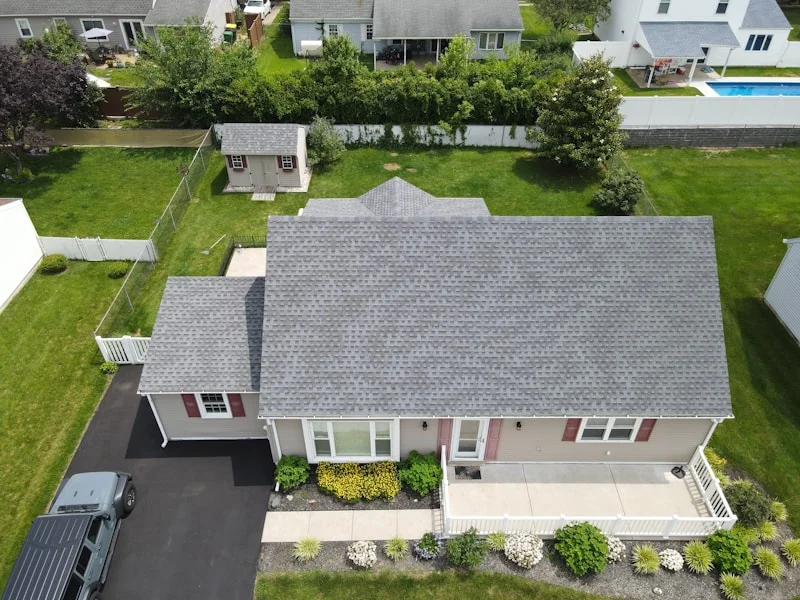
A general home inspection will note roof condition and approximate age. What it often won’t do is tell you whether there’s existing hail damage that’s been left unaddressed, whether the flashing is sealed properly, or whether the ridge cap will hold up to another summer of hail exposure. Those are roofing-contractor questions, not home-inspector questions.
For Signal Hill homes — especially any home where the current roof is over 10 years old — a separate pre-purchase roof inspection by a licensed Calgary roofing contractor is worth the cost. It runs $200–$400 for a detached home and gives you specific information you can use in three ways: negotiate the purchase price if there’s undisclosed damage, ask the seller to replace the roof before closing, or go in with eyes open knowing you’ll likely need a replacement within a defined window.
This is the kind of thing a knowledgeable friend in Calgary real estate would tell you the night before you put in an offer. Not to scare you out of the house — Signal Hill homes are worth buying — but because a $350 inspection can save you a significant surprise in year two of ownership.
Also: when you set up your home insurance at closing, tell your broker the exact age and type of shingles currently on the home. If the roof is approaching the end of its effective life, some insurers will flag it as a condition of coverage or add an exclusion. Better to know that before you close than after a claim.
Budgeting Realistically
Premium Ranges: What to Expect (Honestly)
We’re not going to give you a specific dollar figure for Signal Hill home insurance premiums, because anyone who does is either guessing or selling you something. Premiums depend on the home’s insured value, the year built, the roof age and type, your deductible choice, your claims history, whether you have a finished basement, whether the home has poly-B plumbing (a separate Signal Hill issue worth knowing about — see our relocation guide for details), and which insurer you’re with.
What’s fair to say: Signal Hill detached homes insured at replacement cost value — which on a $988K home could mean $600K–$900K in dwelling coverage depending on the rebuild cost estimate — will carry premiums noticeably higher than the provincial average. Adding hail-specific considerations (postal code risk, roof age, deductible) and the property value involved, you should budget for home insurance as a meaningful annual expense, not an afterthought. A Signal Hill insurance specialist can run actual quotes based on your specific property address and coverage needs.
Factors that determine your Signal Hill premium: property insured value · roof age and shingle type · postal code hail risk · deductible selection · claims history · basement finish · poly-B plumbing presence · chosen insurer and product type.
Sponsored Resource · Signal Hill Home Services Directory
Get a Signal Hill Home Insurance Quote
Run actual premium numbers on your specific address with an Alberta-licensed broker who knows the southwest Calgary postal code risk profile — before you finalize your financing budget.
Talk to Someone Who Knows Signal Hill
Talk to Someone Who Knows Signal Hill’s Insurance Picture
The questions above are the right ones to be asking. Getting accurate answers requires someone who works with Alberta-licensed insurers, knows the southwest Calgary postal code risk profile, and can actually run quotes against your specific address and coverage requirements.
We’ve connected with a Signal Hill insurance specialist who can do exactly that — walk you through coverage options, explain the Class 4 shingle discount your current insurer offers (or doesn’t), and give you a real number to budget against before you close on a purchase or renew your existing policy.
There’s no obligation and no pitch — just a conversation with someone who knows this neighbourhood’s insurance reality. If you’re a buyer in due diligence, that conversation is worth having before you finalize your financing budget.
Also Worth Reading
Signal Hill Relocation Guide
Also worth reading: our Relocation Guide covers the broader picture for out-of-province buyers, including the poly-B plumbing question that comes up regularly in Signal Hill resale homes — another ownership cost worth understanding before you buy.
This guide is provided for general informational purposes only. Insurance coverage, pricing, and availability vary by insurer, property characteristics, and individual circumstances. The data referenced (IBC catastrophic loss figures, Class 4 discount ranges, inspection cost estimates) reflects publicly available information current at time of writing. Consult a licensed Alberta insurance broker for advice specific to your property and situation. calgarysignalhill.com does not sell insurance products and does not receive referral fees for insurance introductions unless otherwise disclosed.
Have Questions About Signal Hill?
Drop us your details and we'll connect you with our Signal Hill specialist.
Thanks!
We'll be in touch within one business day.