
Signal Hill Calgary / Neighbourhood Guide
Signal Hill Calgary: A Neighbourhood Guide That Actually Tells You Something
Established 1990s community on Calgary’s southwest ridge — sub-community detail, transit reality, demographics, and school data in one place.
What Signal Hill Actually Is — and Where It Came From
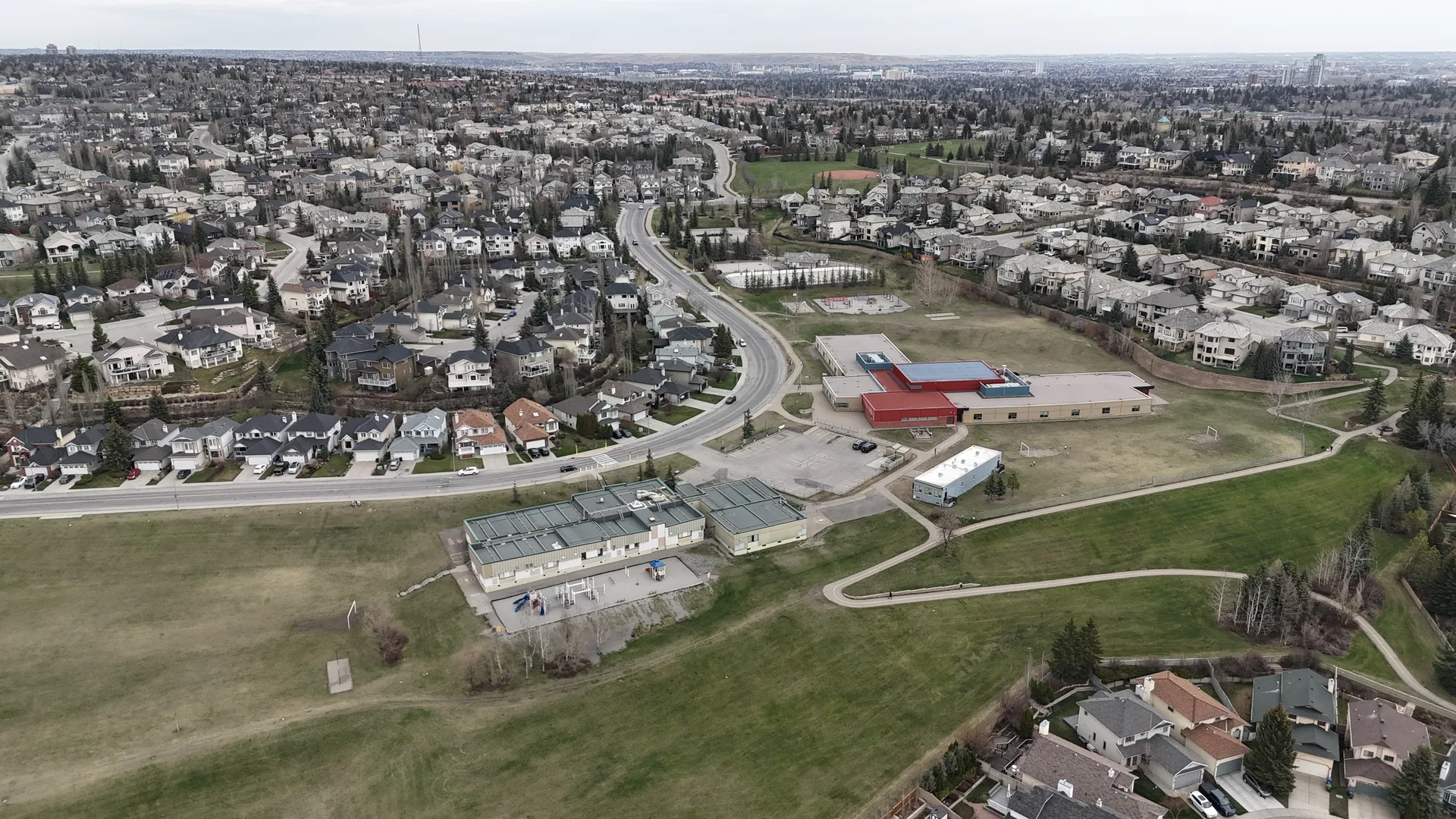
Signal Hill sits in Calgary’s southwest quadrant, bounded roughly by Sarcee Trail to the east, Old Banff Coach Road to the north, the community of Springbank Hill to the west, and Westhills to the south. It’s a large neighbourhood — large enough that the difference between an upper-Signal-Hill address on Signal Ridge Drive and a lower-Signal-Hill townhome near Westhills Towne Centre is meaningful, both in terms of views and price. Most generic guides treat those two realities as the same place. They’re not.
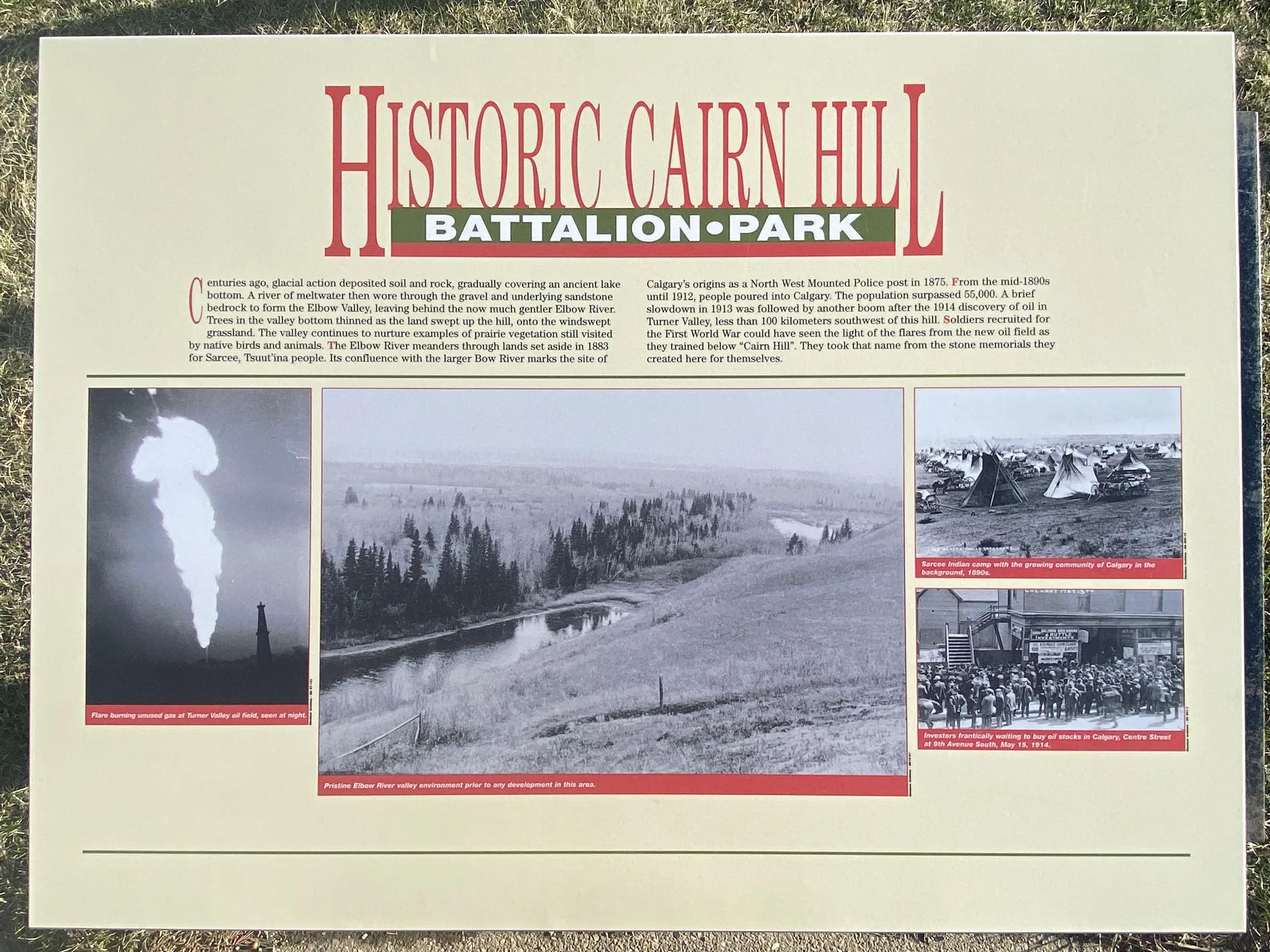
The land Signal Hill sits on has a history that predates the 1990s subdivisions by a considerable margin. The area was part of the traditional territory of the Sarcee Nation (now Tsuut’ina), and the hillside itself served as a Canadian Armed Forces military training ground during the Second World War. That’s not a footnote — it’s the origin story for Battalion Park, the hillside green space that defines Signal Hill’s western edge and gives the neighbourhood its most distinctive landmark. More on that in a moment.
Then came 1988. When Calgary hosted the Winter Olympics, Signal Hill was selected as one of the media village sites — a piece of local history that rarely makes it into real estate brochures but helps explain the neighbourhood’s relatively planned feel and the quality of its early infrastructure. Development accelerated through the 1990s, and that’s predominantly what you’re buying here: 1990s detached single-family homes, a mix of two-storey and bungalow layouts, on established lots with mature tree canopy that newer west Calgary communities simply can’t replicate yet. If you’re coming from a neighbourhood where the trees are older than the mortgage, Signal Hill will feel right.
Sienna Hills and Signal Ridge: The Two Faces of One Neighbourhood
This is the section that doesn’t exist anywhere else — so pay attention.
Signal Hill contains two distinct sub-communities: Sienna Hills and Signal Ridge. They share a postal code and a community association, but they have different characters, different price points, and different buyer profiles. Most guides — every agent site, every generic neighbourhood roundup — describe Signal Hill as a single undifferentiated area. That framing is useless if you’re actually trying to choose between them.
Sub-Community
Sienna Hills
Sienna Hills occupies the lower, flatter portions of the neighbourhood, closer to Westhills Towne Centre and the commercial amenities along Richmond Road. The housing here is a mix of detached single-family homes, townhomes, and low-rise condos, which is why Signal Hill’s condo/townhome segment (121 sales in 2026 at an average of $427,460) is concentrated here. It’s the more accessible entry point into Signal Hill — and accessibility isn’t a euphemism, it’s a legitimate reason to choose it. You’re walking distance from Sunterra Market, from Bro’Kin Yolk for weekend brunch, from the Westside Recreation Centre. The tradeoff is that you’re also closer to the arterial traffic on Sarcee Trail, and you won’t have the hillside views.
Avg. 2026 price: $427,460 · 121 sales
Sub-Community
Signal Ridge
Signal Ridge is the upper section — the hillside streets that climb toward Battalion Park and the escarpment edge. This is where the $988,411 average detached price lives, and where Signal Hill’s reputation for mountain views is earned rather than assumed. On a clear day (which, in Calgary, is most days) you’re looking west toward the Rockies from your back deck. These lots are larger, the homes are predominantly detached two-storeys and estate bungalows, and the street-level experience is quieter. The practical nuance: getting to the 69th Street CTrain station from upper Signal Ridge takes 5-7 minutes by car. It’s not walkable from the hillside. That’s not a problem if you drive — it’s a CTrain park-and-ride terminus with substantial parking — but if your relocation calculation assumed a two-minute walk to transit, recalibrate.
Avg. 2026 price: $988,411 · 111 sales
Neither sub-community is better. They serve different buyers. Families prioritizing detached space and views gravitate toward Signal Ridge; buyers who want walkable retail access and a lower price floor tend to land in Sienna Hills. The Signal Hill Community Association covers both, which means the recreational programming, the community events, and the advocacy work happen across the whole neighbourhood regardless of which street you’re on.
Battalion Park: More Than a Green Space Bullet Point
Real estate listings reference Battalion Park the way they reference every park: as a proximity descriptor. ‘Steps from Battalion Park.’ What they don’t tell you is what Battalion Park actually is, which is a shame because it’s genuinely worth knowing.
The park occupies the western hillside of Signal Hill, and cut into the slope — maintained by volunteers — are large hillside numerals representing the battalions raised in Alberta during the First World War. The numbers are visible from a distance, carved into the escarpment in a style that feels more like land art than landscaping. The Canadian Armed Forces connection runs deep here: the site’s military history is physical, not just archival. Standing at the upper viewpoint on a clear afternoon, looking west over the city toward the Rockies, is one of those Calgary experiences that doesn’t photograph well but lands hard in person.
For families, Battalion Park School sits adjacent to the green space — which, if you have school-age children, is the kind of school-to-park configuration that makes a neighbourhood address feel considered rather than accidental. The park also connects to the broader pathway network that runs through Signal Hill’s western edge, giving residents off-road cycling and walking routes that reach west Calgary’s wider trail system.
The practical lifestyle point: Signal Hill has actual topography, which Calgary’s northeast and southeast communities don’t. The hillside creates natural sound buffers, the elevation creates views, and the escarpment creates a western boundary that prevents the neighbourhood from being swallowed by suburban sprawl. That’s a structural amenity, not a marketing claim.
Getting Around: CTrain, Commute Times, and the Sarcee Trail Reality
Signal Hill’s transit story is straightforward, but the details matter more than the summary.
The West LRT line has two stations relevant to Signal Hill residents: 69th Street (the western terminus) and Sirocco, one stop east. Both are park-and-ride stations, and both give you direct downtown access without transfers. The 69th Street station is the one most Signal Hill residents use — it’s purpose-built for this catchment area and has the parking infrastructure to match. From lower Signal Hill (Sienna Hills), you’re 3-4 minutes by car. From upper Signal Ridge, closer to 7 minutes. Neither is long, but if you’re used to a city where transit access is measured in walking blocks rather than driving minutes, it’s worth factoring into your mental model of the commute.
By car, downtown Calgary is roughly 20-25 minutes from Signal Hill in normal traffic — longer during the Sarcee Trail–Glenmore Trail interchange during peak periods, which Calgary traffic data confirms as a consistent pinch point. The Stoney Trail ring road gives Signal Hill residents excellent access to the rest of the city and the Calgary International Airport without going through downtown at all, which matters for frequent travellers.
On Westhills Towne Centre: Westhills Towne Centre is the neighbourhood’s primary retail node, and it’s worth being precise about what it is: a power centre format with surface parking and big-box anchors, not an enclosed mall. That distinction matters if you’re comparing Signal Hill’s walkability to, say, a neighbourhood built around a traditional main street. Westhills is convenient — you can do a full grocery run, pick up hardware, grab coffee, and return a package in a single parking lot — but it’s suburban retail infrastructure, not a walkable village. If that’s a dealbreaker, Signal Hill probably isn’t your neighbourhood. If it’s actually what you want — and plenty of buyers do — Signal Hill delivers it well.
Sunterra Market is the premium grocery option within the Westhills area, and it’s the kind of store that signals what demographic the neighbourhood is serving. There’s also the Signal Hill Shopping Centre nearby, which handles the more practical retail needs. Day-to-day errands don’t require leaving the immediate area.
Who Lives Here — and What That Tells You
Median Household Income
$205,844
Upper Signal Hill: $200,000–$400,000
Signal Hill’s demographics tell a specific story. Median household income runs around $205,844 across the neighbourhood, with Upper Signal Hill residents in the $200,000–$400,000 range. That’s not a vanity statistic — it’s relevant context for understanding what the neighbourhood’s maintained condition, school engagement, and community association activity actually look like on the ground. High-income established neighbourhoods tend to have well-funded local institutions and residents who show up to advocate for local issues. Signal Hill fits that pattern.
The age profile skews toward families and empty nesters, which produces an interesting community character: you get the school-age energy of families in Signal Ridge alongside the quieter rhythms of residents who’ve been here twenty years and are thinking about what comes next. Sierras West I — a 40+ adult community within Signal Hill — is a visible marker of that multigenerational character. It’s not uncommon to see a neighbourhood where parents who bought in the 1990s are now watching their kids buy nearby. That kind of continuity is hard to manufacture and impossible to fake.
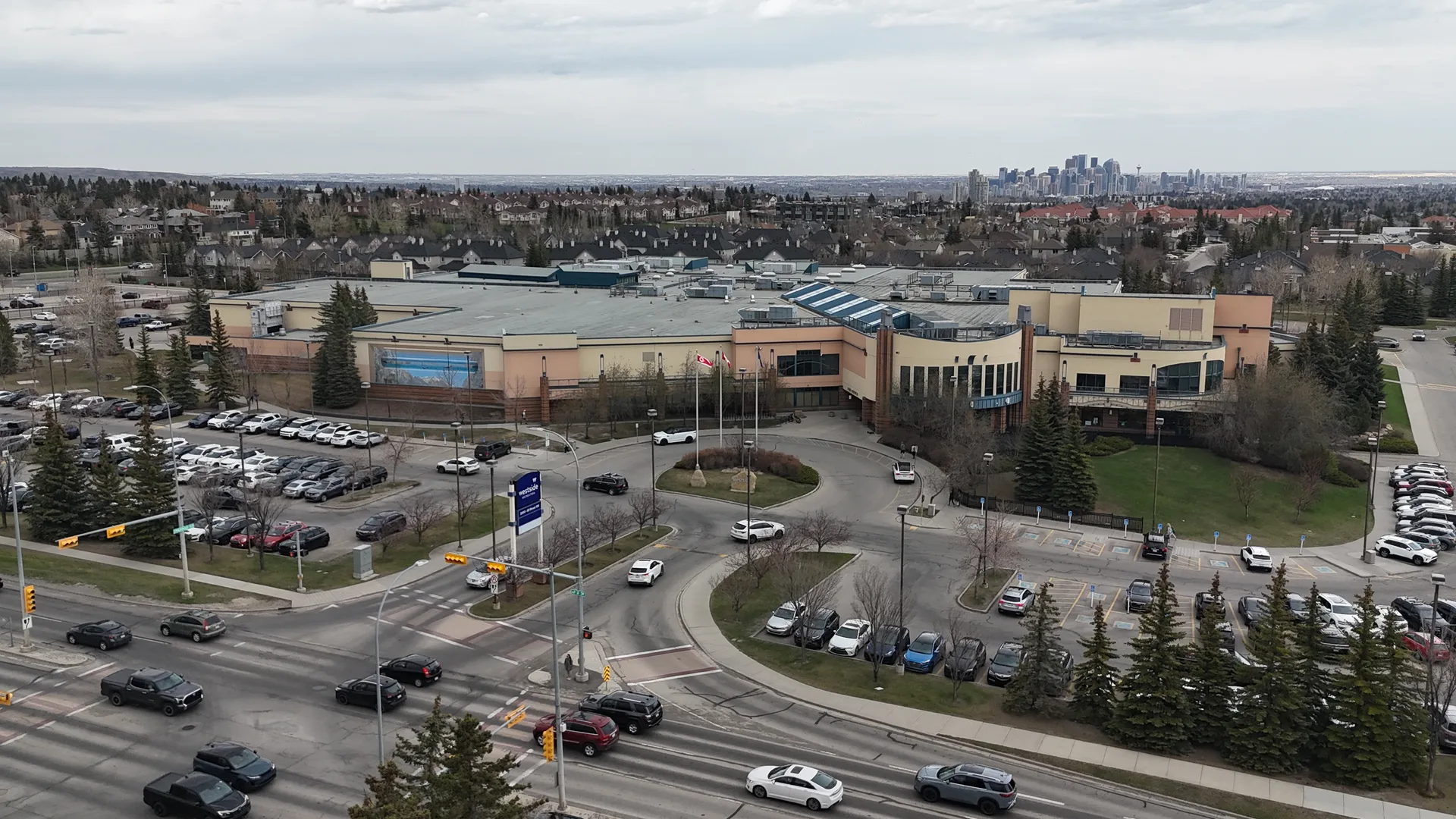
The Westside Recreation Centre anchors community life for residents of all ages — it offers fitness facilities, skating, programming for families and seniors, and functions as Signal Hill’s primary community gathering point in a way that a park or a shopping centre can’t. For downsizers especially, proximity to the Westside Rec Centre is a practical amenity rather than an abstract lifestyle benefit.
For Buyers Coming from Outside Calgary
Relevant to relocating buyers from Toronto, Vancouver, and other major markets
If you’re doing this research from Toronto or Vancouver, here’s what the numbers actually mean in comparison.
Signal Hill detached homes averaged $988,411 in 2026. In Toronto’s North York, that price point gets you a semi-detached on a busy arterial or a detached with 25-foot frontage and a 2008 renovation. In Signal Hill, $988K is a 1990s-built detached home with a double attached garage, mountain views from the hillside streets, a 20-minute commute to downtown by CTrain, and a 25% lower crime rate than the Calgary average.
Alberta has no provincial income tax and no land transfer tax — both of which materially affect the math for anyone doing a cross-provincial comparison.
The concerns we hear most often from out-of-province buyers are: hail damage insurance costs, winter driving, and whether the neighbourhood actually holds its value. On hail: yes, hail damage is a real and recurring insurance consideration in southwest Calgary. It’s not a reason to avoid the neighbourhood, but it’s a reason to understand your home insurance policy specifically, ask about the roof’s age and material during due diligence, and budget accordingly. We cover this in detail in the Signal Hill Hail Insurance Guide — it’s worth reading before you make an offer.
On value retention: Signal Hill detached homes are up 7% year-over-year as of 2026 data. The 22-day average sell time (compared to a 10-year average closer to 43 days) suggests demand is strong. Whether that trend continues is a legitimate question — see the Market Stats Dashboard for the current picture — but Signal Hill’s fundamentals are the kind that don’t evaporate: established location, quality schools, proximity to employment corridors, and a western boundary that limits density pressure.
One thing the YouTube walkthroughs won’t show you: Signal Hill has actual weather. Calgary’s Chinook system means winter temperatures swing dramatically — you can go from -20°C to +12°C in 48 hours, which is genuinely disorienting when you first arrive and genuinely appreciated by mid-February. Snow removal in Signal Hill is handled by the City of Calgary for main roads; residential streets vary. The hillside streets in Signal Ridge require a vehicle that handles grades confidently in winter conditions. Most residents drive AWD or 4WD. It’s not optional on the upper streets.
Relocating from Out of Province
Moving to Calgary from out of province? The Signal Hill Relocation Checklist covers everything the YouTube tours skip — school catchments, insurance specifics, commute reality checks, and what to ask about before you make an offer.
Schools, Safety, and What to Read Next
Signal Hill has a strong school catchment, with both public and Catholic options at multiple levels. Battalion Park School (public K-9) sits directly in the neighbourhood. Ernest Manning High School serves the public system at the senior level. The Catholic system includes St. Gregory School, St. Margaret School, and St. Thomas Aquinas School at the elementary and junior high levels, with St. Mary’s High School for senior grades. Menno Simons Christian School and Rundle College provide independent school options within accessible distance. A full breakdown with catchment maps and program details is in the Schools & Amenities guide — this page isn’t the place to bury you in school board administration details, but the short version is that Signal Hill’s options are above average for Calgary’s southwest.
On safety: Signal Hill’s crime rate sits roughly 25% below the Calgary average, based on Calgary Police Service data. That number is real, it’s sourced, and it’s not something an agent made up to close a deal. The Safety & Crime Statistics Dashboard tracks this monthly with a direct comparison to Calgary averages across violent crime, property crime, and disorder incidents. If safety data is a factor in your decision — and it probably should be — that page gives you the actual numbers rather than the reassurance.
If you’re trying to decide between Signal Hill and Springbank Hill (or Aspen Woods, or West Springs), that comparison is harder than it looks from the outside and we’ve built a dedicated tool for it. The Neighbourhood Comparison page uses objective metrics — property assessments, crime rates, building permit activity, demographics — rather than an argument for any particular community. It’s the comparison that doesn’t exist anywhere else in one place.
Continue Your Research
Each of these pages covers one decision-relevant dimension of Signal Hill in full — not summaries, not teasers.
Market Data
Market Stats Dashboard
Current pricing, days on market, and sales volume — Signal Hill specific, updated monthly.
Public Safety
Safety & Crime Data
Calgary Police Service sourced. Signal Hill vs. Calgary average across violent, property, and disorder categories.
Decision Tool
Neighbourhood Comparison
Signal Hill vs. Springbank Hill, Aspen Woods, West Springs. Objective metrics — no advocacy for any particular community.
Relocating
Relocation Guide
Everything the YouTube tours skip — school catchments, insurance specifics, commute reality, and due diligence questions.
Have Questions About Signal Hill?
Drop us your details and we'll get back to you.
Thanks!
We'll be in touch within one business day.